
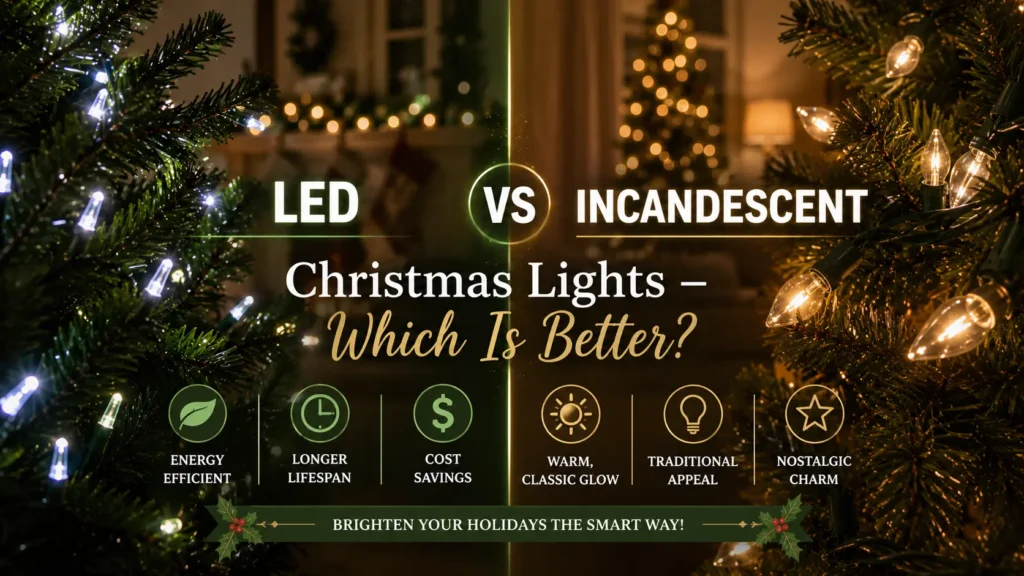
Every year, somewhere between unpacking the ornament boxes and untangling last season’s light strands, most people ask themselves the same question: are these lights still worth using, or is it time to upgrade?
It sounds like a simple decision, but the choice between LED and incandescent Christmas lights touches on more than just aesthetics. It affects how much you spend on electricity, how safe your home is during the holidays, how long your lights last before needing replacement, and ultimately, how your tree or exterior display looks when everything is finally lit up.
Both types have genuine merit. Incandescent lights have been the default for decades and carry a warm, familiar glow that many people associate with the holidays. LED lights, on the other hand, have improved dramatically over the past ten years and now dominate the market for good reason. Understanding the real differences between the two will help you choose confidently rather than guess.
This guide breaks down every meaningful factor, from brightness and energy use to safety and decor style, so you can make the right call for your home this season.
What Are LED Christmas Lights?
LED stands for light-emitting diode. Rather than heating a filament to produce light the way traditional bulbs do, LEDs pass an electrical current through a semiconductor material that emits light directly. This makes the process far more efficient because almost no energy is lost as heat.
LED Christmas lights became widely available for home use in the early 2000s, but early versions had a reputation for looking harsh and cold. The warm white LED technology that most people buy today looks nothing like those early versions. Modern LED strands produce a soft, inviting glow that is genuinely difficult to tell apart from incandescent in many settings.
Because the light source itself is solid-state and contains no fragile glass or filament, LED bulbs are physically tougher than their older counterparts. They handle cold temperatures well, which is why they are widely used for outdoor holiday decorating. They also run so cool to the touch that you can leave them on for extended periods without concern.
Common uses for LED Christmas lights include Christmas tree wrapping, garland and mantle displays, outdoor roofline stringing, window outlining, and large-scale commercial or neighborhood holiday installations.
What Are Incandescent Christmas Lights?
Incandescent Christmas lights are the classic option that most people grew up with. They work by passing electricity through a thin tungsten filament inside a glass bulb, which heats up until it glows. The result is a soft, warm, slightly amber light that has become deeply associated with the holiday season.
For many homeowners, incandescent lights are not just a practical choice but an emotional one. The quality of their glow, slightly uneven, warm, and organic-looking, creates an atmosphere that feels genuinely festive in a way that some people find harder to replicate with LED alternatives, even high-quality ones.
Incandescent lights are also generally less expensive to buy upfront. A basic set of incandescent mini lights costs less than a comparable LED strand in most retail settings, which makes them appealing for people who want to decorate on a tight initial budget.
Their drawbacks are well-documented. They consume significantly more electricity, generate heat, burn out faster, and are more fragile physically. But for homeowners who only use their lights a few weeks per year and prioritize that classic warm appearance above everything else, incandescent lights remain a defensible choice.
LED vs Incandescent Christmas Lights: The Full Comparison
This is where the real decision happens. Let’s look at every factor that actually matters when choosing between these two types.
Brightness
LED lights tend to be significantly brighter per bulb than incandescent versions, which can be a strength or a weakness depending on what you want. A brighter light covers more visual ground, which means you may need fewer strands to light a tree evenly. On the flip side, very bright LEDs can look stark or clinical if not chosen carefully.
Incandescent lights have a dimmer, more diffused glow that blends naturally across a tree’s branches. This is part of why many decorators feel incandescent trees look fuller even with the same number of lights.
The practical fix for LED trees is to choose warm white LEDs in the 2700K to 3000K color temperature range. At that temperature, the light closely mimics the quality of incandescent without the energy draw.
Energy Efficiency
This is where LEDs win decisively. LED Christmas lights use roughly 75 to 80 percent less electricity than comparable incandescent strands. A standard 100-count incandescent mini light strand draws around 40 watts. The LED equivalent draws around 4 to 7 watts.
If you run multiple strands on a large tree for several hours each evening throughout December, the difference in electricity consumption adds up to a meaningful number on your bill. More on that in the energy cost section below.
Heat Output
Incandescent bulbs produce heat as a byproduct of how they work. After running for a few hours, the bulbs themselves become noticeably warm, and in a heavily decorated tree with many strands, the collective heat can be enough to pose a dry-out or fire risk, especially on natural trees.
LED bulbs produce almost no heat at the bulb itself. You can run a full tree’s worth of LED strands for hours and the bulbs will still feel cool or only slightly warm to the touch. This is one of the most significant safety advantages LEDs have over incandescent lights.
Lifespan
LED Christmas lights are rated for approximately 25,000 to 50,000 hours of use. For a seasonal decoration used roughly 150 hours per year, that translates to 15 to 30+ years before typical failure.
Incandescent mini lights, in contrast, are rated for around 1,500 to 3,000 hours. At the same seasonal use rate, you are looking at replacement every 10 to 20 seasons under ideal conditions, though in practice individual bulbs burn out much sooner and the domino effect of one dead bulb taking out an entire section is a problem incandescent users know well.
Cost Over Time
LEDs cost more upfront. A quality LED strand typically runs 2 to 3 times the purchase price of an equivalent incandescent set. But factoring in electricity costs and replacement frequency, LEDs are almost always cheaper over a 3 to 5 year span.
The math becomes even clearer when you consider that LED strands can last decades without replacement, while incandescent strands often need partial or full replacement every few years due to burned-out bulbs.
Durability
LED bulbs are solid-state, meaning there is no glass envelope or metal filament to break. They handle physical impact, temperature swings, and moisture far better than incandescent bulbs do.
Incandescent bulbs are fragile. The glass can crack, the filament breaks with vibration or impact, and cold outdoor temperatures shorten their lifespan further.
For outdoor use specifically, LED lights are substantially more reliable season to season.
Indoor vs Outdoor Use
Both types are available in indoor and outdoor-rated versions. For outdoor use, LED lights are generally the better recommendation because of their cooler operation, better cold-weather performance, and greater physical durability.
For indoor tree use, either works well, though the heat output of incandescent lights is something to watch on natural trees. LED lights are the safer choice on cut trees that may dry out over the course of the season.
Safety
The heat produced by incandescent lights is a genuine fire risk concern, particularly on dry natural trees or near flammable materials. The U.S. Fire Administration has repeatedly cited overheated or faulty Christmas lights as a significant cause of holiday home fires.
LED lights reduce this risk substantially because of their cool operation. They also draw less current, which means you can connect more strands in series without overloading a circuit as quickly.
That said, both types require basic electrical safety habits: do not daisy-chain more strands than the manufacturer recommends, check for frayed cords before use, and do not leave lights running unattended overnight.
Environmental Impact
LED lights consume less energy over their lifetime, which means a smaller carbon footprint from electricity use. They also need to be replaced far less often, reducing waste.
Incandescent lights burn out regularly, which means more frequent manufacturing, packaging, and disposal. The glass and metal components are not easily recyclable through standard channels in most municipalities.
From a sustainability perspective, LEDs are the clear choice.
Comparison Table: LED vs Incandescent Christmas Lights
| Feature | LED | Incandescent |
|---|---|---|
| Energy Use | 4-7 watts per 100 lights | 35-45 watts per 100 lights |
| Lifespan | 25,000-50,000 hours | 1,500-3,000 hours |
| Heat Output | Minimal | Moderate to high |
| Upfront Cost | Higher | Lower |
| Long-Term Cost | Lower | Higher |
| Durability | High | Moderate |
| Fire Risk | Low | Higher |
| Color Quality (warm) | Excellent (modern versions) | Excellent |
| Cold Weather Performance | Excellent | Adequate |
| Environmental Impact | Lower | Higher |
Which Type Looks Better on Different Trees?
Light type is not one-size-fits-all. The best choice depends heavily on your tree style and the overall look you are going for.
Flocked Trees
Flocked Christmas trees have a white or snow-dusted surface that interacts with light in a unique way. The textured flocking diffuses and scatters light beautifully, creating a soft, glowing effect across the branches.
For flocked trees, warm white LEDs in the 2700K range are ideal. The slightly golden warmth of those LEDs against the white flocking creates a look that feels elegant and wintery without being harsh. You can read more about getting the most from this pairing in this detailed guide on lights and decor ideas for flocked Christmas trees.
Incandescent warm white lights also look beautiful on flocked trees, though you will use more energy and need to be more careful about heat buildup in the denser flocked branches.
Pre-Lit Trees
Pre-lit Christmas trees come with integrated LED light systems built directly into the branches. These are designed for convenience and consistency, and modern pre-lit trees use high-quality LEDs that are calibrated for balanced light distribution throughout the entire tree.
If you already own a pre-lit tree, you are already using LEDs. The lights are spaced and angled during manufacturing to eliminate dark spots and create an even glow from top to bottom. For ideas on decorating around these integrated light systems, this guide on stunning decoration ideas for pre-lit Christmas trees is worth a look.
Slim and Pencil Trees
Slim and pencil Christmas trees have a narrow profile that concentrates all their visual impact into a vertical shape. These trees work best with precise, intentional lighting rather than heavy strand wrapping.
Mini LED lights in warm or cool white work especially well here. Their smaller bulb size suits the delicate proportions of slim trees, and a single well-placed strand can illuminate the entire silhouette without overwhelming it. Minimalist decorators often prefer the cleaner look of cool white LEDs on pencil trees, particularly in modern or Scandinavian-inspired home designs.
Large Statement Trees
For 10-foot Christmas trees and other large-format displays, the lighting volume required makes LEDs the only practical choice for most homeowners. Lighting a 10-foot tree thoroughly with incandescent strands could draw several hundred watts continuously. With LED strands, the same coverage draws a fraction of that and produces far less heat in a larger enclosed space.
Large trees also benefit from layered lighting approaches: a warm white base layer for overall illumination supplemented by accent lighting in a complementary color or with different bulb sizes to add depth.
Best Lighting Color Temperatures
Color temperature, measured in Kelvin, determines whether your lights appear warm, neutral, or cool.
Warm White (2700K to 3000K)
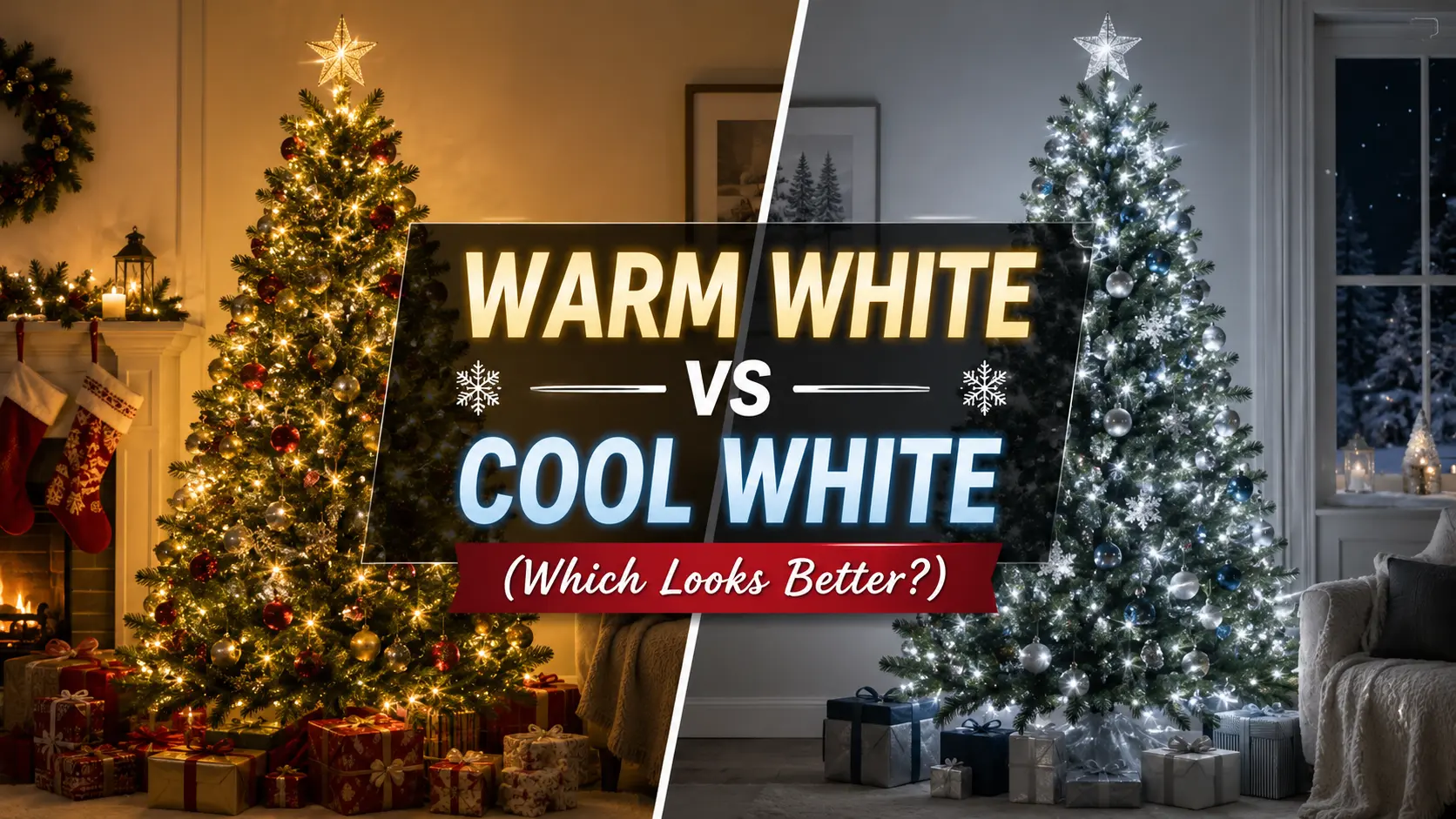
This is the range that most closely matches incandescent light. Warm white LEDs cast a soft golden glow that feels cozy and festive. This temperature works well with traditional decor palettes, red and gold ornaments, natural wood elements, and flocked or snow-dusted trees.
Neutral White (3500K to 4000K)
Neutral white falls between warm and cool. It is less amber than warm white but not as stark as cool white. This temperature suits transitional decor styles and pairs well with silver, rose gold, or mixed-metal ornament collections.
Cool White or Daylight (5000K to 6500K)
Cool white LEDs produce a bright, blue-tinged light that reads as modern and crisp. It works well in Scandinavian or minimalist holiday setups where the emphasis is on clean lines and a frosty winter palette rather than traditional warmth.
Mixing color temperatures within the same display almost always looks unintentional. If you are using multiple strands, make sure they all fall within the same temperature range.
Energy Cost Comparison
The electricity savings from LED lights are real and consistent. Here is a practical example.
Assume you are running 10 strands of 100-bulb mini lights for 6 hours per evening across a 30-day holiday season. That equals 1,800 hours of total operation.
With incandescent lights at roughly 40 watts per strand, 10 strands draw 400 watts total. Over 1,800 hours, that equals 720 kilowatt-hours.
With LED lights at roughly 5 watts per strand, 10 strands draw 50 watts total. Over 1,800 hours, that equals 90 kilowatt-hours.
At an average U.S. electricity rate of around $0.16 per kilowatt-hour, incandescent lighting costs approximately $115 for the season. LED lighting for the same display costs around $14.
That is a savings of over $100 in a single holiday season. The premium upfront cost of LED strands typically pays for itself within one to two seasons.
Safety Considerations
Holiday lighting safety matters more than many people realize. Here are the most important points to keep in mind regardless of which light type you choose.
Heat and fire risk. Incandescent lights generate enough heat that sustained contact with dry needles, fabric, or paper materials poses a legitimate fire risk. Always check natural trees for adequate water levels, keep them away from heat vents, and never leave incandescent lights running overnight or unattended for long periods.
Overloading circuits. Every light strand has a maximum number of connected strands listed on its packaging. Exceeding this number can overheat the wire and trip breakers or, in worst cases, damage wiring. LED strands allow you to connect more strands in series before hitting this limit, which makes large displays easier to manage.
Pet and child safety. Incandescent bulbs get hot enough to cause minor burns if touched. LED bulbs remain cool, making them the safer option in homes with small children or pets that may investigate the tree. You can browse a range of family-friendly holiday lighting and decor options at christmastree.deals.
Inspect cords before use. Both LED and incandescent strands can develop frayed cords, exposed wire, or corroded sockets over time. Check every strand before plugging it in, particularly if lights have been in storage for more than a year.
Which Lights Work Best for Different Decor Styles
Your decor style should influence your lighting choice as much as any technical factor.
Minimalist Trees
Clean, modern holiday decor favors restraint. A single type of light in cool or neutral white, evenly distributed, creates a crisp visual without competing with the design. LED mini lights in cool white are the standard choice here.
Luxury Trees
High-end holiday displays often layer multiple light types and sizes. A warm white LED base layer is typically supplemented with larger globe-style bulbs or vintage Edison-style bulbs at key accent points. The rich, glowing depth this creates reads as intentional and polished.
Rustic and Farmhouse Setups
Warm incandescent light complements the natural textures of rustic decor beautifully. If this is your preferred style and energy cost is not a primary concern, incandescent mini lights or C7 strands in warm white remain a strong aesthetic choice. Alternatively, warm white LEDs at 2700K achieve a nearly identical visual effect with better efficiency.
Scandinavian-Inspired Decor
Minimalism, natural materials, and a cool color palette define this style. Cool white LED lights against white or birch elements, paired with simple wooden or woven ornaments, produce the clean and quiet aesthetic this approach calls for. This is one area where incandescent lights genuinely struggle to compete because their warmer tone conflicts with the cooler palette.
Common Mistakes to Avoid When Decorating with Christmas Lights
Even the best lights can look wrong if they are not used thoughtfully.
Mixing color temperatures. Using one strand of warm white and another of cool white on the same tree creates a disjointed, amateur result. Buy all strands from the same product line if possible, and confirm that the Kelvin rating matches before purchasing multiple packs.
Overloading electrical outlets. Plugging too many strands into a single outlet or power strip creates a fire risk and will trip your breaker. Use multiple outlet sources or invest in a proper outdoor-rated extension cord for exterior displays.
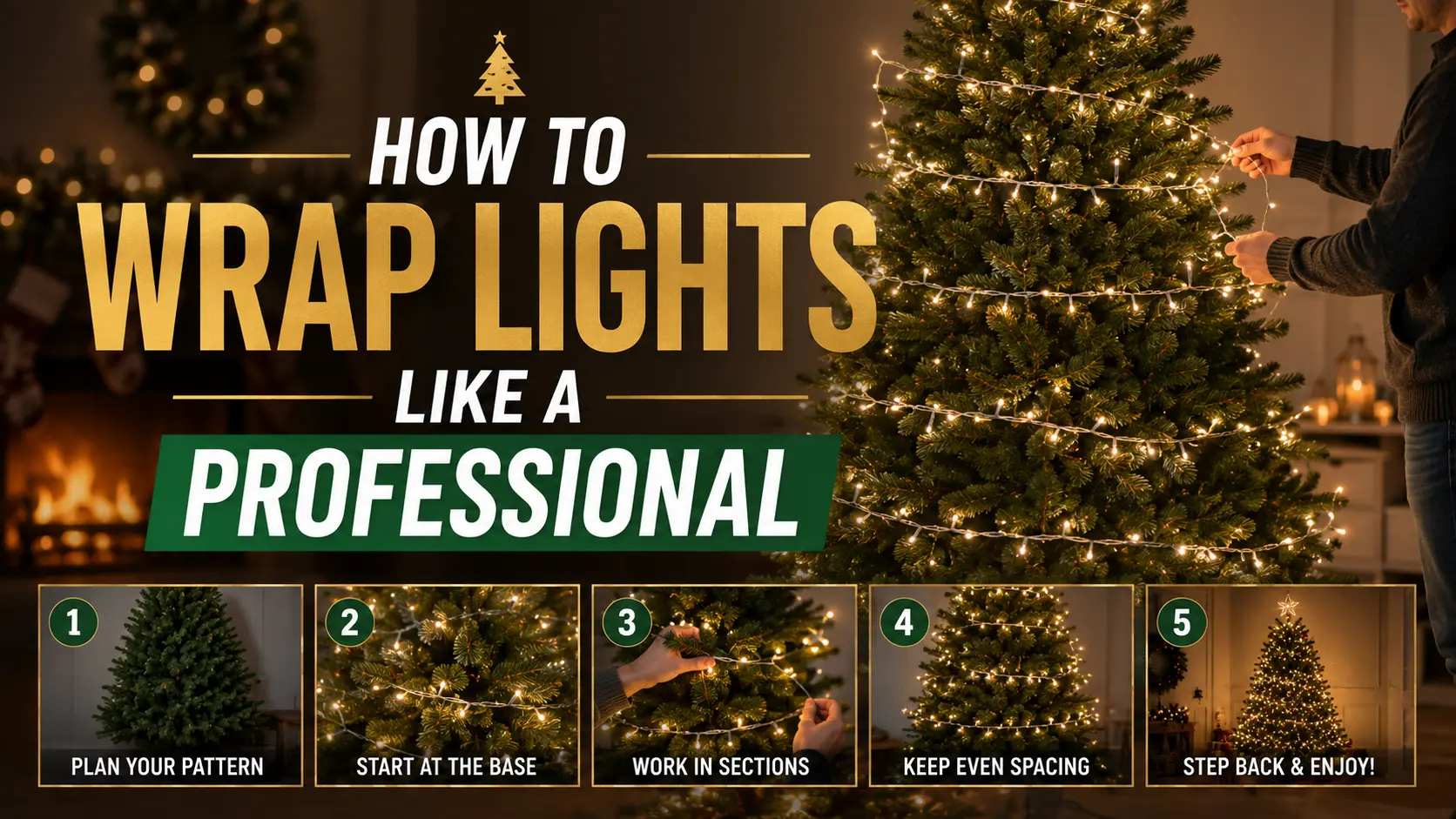
Uneven distribution. Wrapping lights only around the outside of a tree rather than weaving them into the interior branches creates a flat, surface-level glow. Take the time to push strands toward the trunk and work outward in layers for depth and dimension.
Wrong brightness for the space. A small tabletop tree flooded with high-brightness LED strands looks overwhelmed. A large 10-foot tree with a single understated strand looks dim and underwhelming. Match your light volume and brightness to the scale of the display.
Skipping the pre-season check. Testing every strand before putting them on the tree saves significant frustration. Replace dead bulbs or retire failed strands before they ruin a finished display.
Final Verdict: LED or Incandescent?
The honest answer is that LEDs are the better choice for most people in most situations, but the full picture is more nuanced than that.
Best for energy savings: LED, without question. The gap in electricity consumption is substantial, and the long-term cost advantage is real.
Best for nostalgia and classic warmth: Incandescent still holds a slight edge for homeowners who prioritize that specific quality of light above everything else. That said, high-quality warm white LEDs at 2700K have narrowed this gap considerably.
Best for long-term use: LED. A quality LED strand bought today could outlast your current Christmas tree by years.
Best for outdoor use: LED. Their cool operation, physical durability, and cold-weather performance make them the clear choice for anything that goes outside the house.
Best for modern and minimalist homes: LED cool or neutral white, which provides the crisp, clean aesthetic these spaces call for.
Best for rustic or traditional homes: Either works. If you have incandescent lights in good condition, there is no urgent reason to replace them. If you are buying new, warm white LEDs give you the same look with better efficiency.
Conclusion
The LED vs incandescent Christmas lights debate is not really about which technology is newer. It is about understanding what each one genuinely offers and choosing based on your specific priorities.
LEDs are more efficient, safer, longer-lasting, and better suited for large or outdoor displays. Incandescent lights carry a quality of warmth and familiarity that many people find irreplaceable, and for light seasonal indoor use, they are still a perfectly reasonable choice.
If you are building out a new holiday lighting setup from scratch, LEDs are the practical recommendation. If you have a working set of incandescent lights you love, use them thoughtfully and replace them with LEDs when the time comes.
Either way, the right lights are the ones that make your home feel like the holidays. Start there, and the technical details will follow.
For more guidance on pairing lighting with your specific tree style, the ultimate guide to pre-lit Christmas trees is a comprehensive resource worth bookmarking before the season begins.
Frequently Asked Questions
Are LED Christmas lights worth the higher upfront cost?
Yes, in most cases. The energy savings alone typically recover the price difference within one to two holiday seasons, and LED strands last far longer than incandescent alternatives, which reduces replacement costs over time.
Do LED Christmas lights look as good as incandescent?
Modern warm white LED lights at 2700K to 3000K are visually very close to incandescent, especially on flocked trees or in warm indoor settings. Early LED technology had a reputation for looking harsh, but that is not representative of current quality products.
Can I mix LED and incandescent lights on the same tree?
Technically yes, but the color temperature difference is often noticeable and can look unintentional. For the most polished result, stick with one type throughout your display.
How many LED strands can I connect together?
This varies by product, but LED strands typically allow 40 to 50 connected strands in series before reaching the manufacturer’s limit. Incandescent strands usually cap at 3 to 5. Always check the packaging for your specific product’s limit.
Are LED lights safer around a natural Christmas tree?
Yes. LED lights produce very little heat, which reduces the risk of accelerating the drying of cut tree needles. Incandescent lights generate enough heat that they pose a greater fire risk on dry natural trees, particularly as the season progresses.
What color temperature is best for a traditional Christmas look?
Warm white in the 2700K to 3000K range is the closest match to classic incandescent warmth. This temperature range produces the soft golden glow most associated with traditional holiday decorating.
Do LED lights work in cold outdoor temperatures?
Yes. LEDs actually perform better in cold temperatures than incandescent lights do. Cold air does not affect the semiconductor-based light source, and many LED strands are specifically rated for extended outdoor use in freezing conditions.