

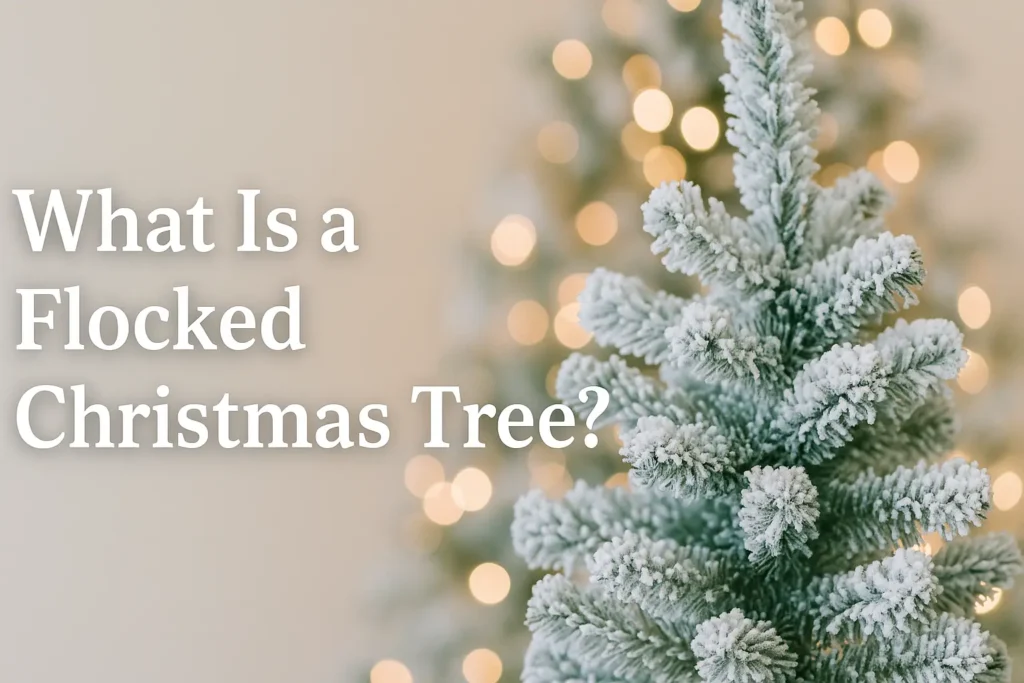
A flocked Christmas tree is a holiday tree that has been coated with an artificial snow-like material, giving it the soft, white, wintery appearance of freshly fallen snow. The term “flocking” refers to the process of applying fine fibers or powder to a surface so it sticks and creates a textured, snow-dusted effect. During the Christmas season, flocked trees have become increasingly popular because they instantly create a cozy, elegant, and festive atmosphere without the need for real snow. Whether placed in a living room, office, or holiday display, a flocked Christmas tree offers a timeless winter aesthetic that feels both traditional and luxurious.
Unlike natural snow, which melts and creates moisture issues indoors, flocking is designed to remain dry and visually consistent throughout the holiday season. This makes flocked Christmas trees especially appealing in warmer climates or homes where maintaining a winter theme would otherwise be difficult. Many people choose flocked trees to reduce the need for additional decorations because the snow-covered branches already provide a decorative base that looks beautiful with minimal effort.
What Does “Flocked” Mean in Christmas Trees?
The word “flocked” comes from a manufacturing technique where tiny fibers are applied to a surface using adhesive. In the context of Christmas trees, flocking refers to the artificial snow material sprayed or brushed onto the tree branches. This material is usually white or off-white and is designed to cling to needles and limbs, creating the illusion of a tree freshly dusted by snowfall.
Historically, flocking was used in various industries, including textiles and crafts, long before it became popular in holiday décor. Over time, Christmas décor manufacturers adapted this technique to create realistic winter-themed trees that mimic snowy forest landscapes. Today, flocking is commonly applied to both real and artificial Christmas trees, either professionally at factories or through do-it-yourself methods at home.
Read Also: How to Stop Flocked Christmas Trees from Shedding Snow Everywhere
What Is Flocking Made Of?
Modern flocking materials are typically made from cellulose fibers, cornstarch-based compounds, or synthetic fibers mixed with an adhesive solution. High-quality commercial flocking products are often labeled as non-toxic and flame-retardant, making them suitable for indoor holiday use. The texture is intentionally light and fluffy so it resembles real snow while remaining dry and easy to maintain.
In professionally manufactured flocked Christmas trees, the flocking is evenly applied using industrial spraying equipment, ensuring consistent coverage and durability. DIY flocking kits usually come in powder or spray form, allowing homeowners to control the thickness and style of the snow effect. The choice of material directly affects the final appearance, longevity, and safety of the flocked tree, which is why it is important to understand what type of flocking is being used.
Flocked Christmas Trees vs Real Snow-Covered Trees
While a flocked Christmas tree looks like it has been dusted with real snow, there are significant differences between flocking and natural snowfall. Real snow introduces moisture, melting, and temperature sensitivity, which are impractical for indoor settings. Flocking, on the other hand, remains stable and dry, making it ideal for long-term indoor display throughout the Christmas season.
Another major difference is control. With flocking, you can choose the density and coverage of the “snow,” ranging from a light dusting to a heavily frosted appearance. Real snow offers no such consistency. Additionally, flocked Christmas trees do not create puddles, mold, or humidity issues, which makes them safer for homes with wooden floors, carpets, and electronics.
Types of Flocked Christmas Trees
Flocked Christmas trees come in several variations to suit different decorating preferences. Some trees feature light flocking that gently highlights the branch tips, creating a subtle snowy effect. Others are heavily flocked, giving the appearance of a tree that has just endured a winter snowstorm. There are also partially flocked trees that combine green branches with snow-covered accents for a balanced look.
In addition to traditional white flocking, some decorative trees use tinted or slightly silver-toned flocking to create a more glamorous or modern holiday aesthetic. Pre-lit flocked Christmas trees are especially popular because the lights reflect off the white flocking, enhancing brightness and creating a warm glow that complements Christmas decorations beautifully.
Indoor vs Outdoor Use of Flocked Christmas Trees
Most flocked Christmas trees are designed for indoor use, as flocking materials are optimized for controlled environments. Indoor flocked trees maintain their appearance longer because they are protected from moisture, wind, and temperature changes. Outdoor exposure can cause flocking to deteriorate, especially in humid or rainy conditions.
For outdoor displays, specially treated flocked trees or weather-resistant flocking products are required. However, even with protective coatings, outdoor flocked trees may shed more material over time. This is why indoor placement remains the most common and practical option for flocked Christmas trees during the holiday season.
Why Are Flocked Christmas Trees So Popular During Christmas?
The popularity of flocked Christmas trees has grown rapidly in recent years due to their aesthetic appeal and convenience. A flocked tree instantly transforms a room into a winter wonderland, eliminating the need for artificial snow blankets or heavy decorative layers. Many homeowners appreciate how flocked trees complement both traditional red-and-green Christmas themes and modern minimalist décor styles.
Another reason for their popularity is photography and social media influence. Flocked Christmas trees photograph exceptionally well, making them a favorite choice for holiday photos, home décor inspiration posts, and festive marketing visuals. Their bright, snowy appearance reflects light evenly, creating a soft and cozy atmosphere that feels festive without being overwhelming.
Cost Comparison: Flocked vs Non-Flocked Trees
Flocked Christmas trees are generally more expensive than standard green trees due to the additional materials and labor involved in the flocking process. Pre-flocked artificial trees often cost more upfront but save time and effort compared to DIY flocking. On the other hand, adding flocking to an existing tree using a kit can be a more budget-friendly option for those willing to invest some effort.
While the initial cost may be higher, many people find flocked Christmas trees to be a worthwhile investment because they require fewer decorations and deliver a premium holiday look year after year.
Pros and Cons of Flocked Christmas Trees
Flocked Christmas trees offer several advantages, including a realistic snowy appearance, reduced decorating time, and strong visual impact. They are ideal for creating a winter-themed Christmas setting without relying on artificial snow sprays throughout the season. Flocked trees also enhance lighting effects and work well with both simple and elaborate ornament arrangements.
However, there are some drawbacks to consider. Flocking can shed slightly, especially during setup or storage. Heavily flocked trees may also limit certain decorating styles, as bold ornaments can contrast sharply with the white background. Storage requires care to prevent crushing or flaking of the flocked material. Understanding these pros and cons helps in deciding whether a flocked Christmas tree is the right choice for your home.
Is a Flocked Christmas Tree Safe?
Safety is a common concern for homeowners considering flocked Christmas trees. Most modern flocking products used by reputable manufacturers are labeled as non-toxic and flame-retardant. However, safety can vary depending on the materials used, especially in DIY flocking projects. This is why it is essential to read product labels carefully and follow manufacturer guidelines.
Safety considerations become even more important in homes with pets or young children. Because this topic is extensive, it is covered in detail in a separate guide on whether flocked Christmas trees are toxic, which explores health, pet, and fire safety in depth.
Can You Flock a Christmas Tree Yourself?
Yes, flocking a Christmas tree at home is possible and increasingly popular. Many people choose DIY flocking to customize the snow effect or refresh an older tree. The process involves using flocking powder or spray, water, and adhesive techniques to achieve a snowy finish. However, DIY flocking requires preparation, patience, and proper drying time to ensure a natural-looking result.
A complete step-by-step explanation of the process, tools, mistakes to avoid, and drying tips is covered in a separate guide on how to flock a Christmas tree, which goes into full practical detail.
Can Artificial Christmas Trees Be Flocked?
Artificial Christmas trees are among the most common candidates for flocking because they provide a stable structure and can be reused year after year. Flocking can dramatically upgrade the appearance of a plain artificial tree, giving it a premium holiday look. However, different materials like PVC or PE needles may require specific flocking techniques to ensure proper adhesion.
Because artificial trees need special care during the flocking process, this topic is explored separately in a dedicated guide on how to flock an artificial Christmas tree to avoid damage and achieve long-lasting results.
Final Thoughts: Is a Flocked Christmas Tree Right for You?
A flocked Christmas tree is an excellent choice for anyone looking to create a festive, snowy holiday atmosphere with minimal effort. Its elegant appearance, versatility, and strong visual impact make it a favorite for both traditional and modern Christmas décor. Whether you choose a pre-flocked tree or decide to flock one yourself, understanding what a flocked Christmas tree is and how it works helps you make an informed decision.
As Christmas approaches, flocked trees continue to be a top trend for homeowners seeking warmth, charm, and winter magic indoors.